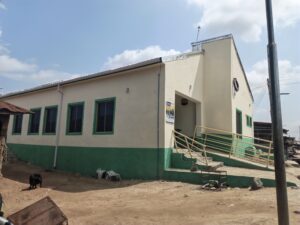
REPORT: How Ojagboro Residents Have Been Denied Adequate Healthcare for Over Seven Months — An Urgent Call for Government Intervention
0-4064x3048-0-0-{}-0-24#bokehtype:0#;ts:40638116207000;appts:1784727283609;qlty:1;illum:2 scene:0 humanIn:0;
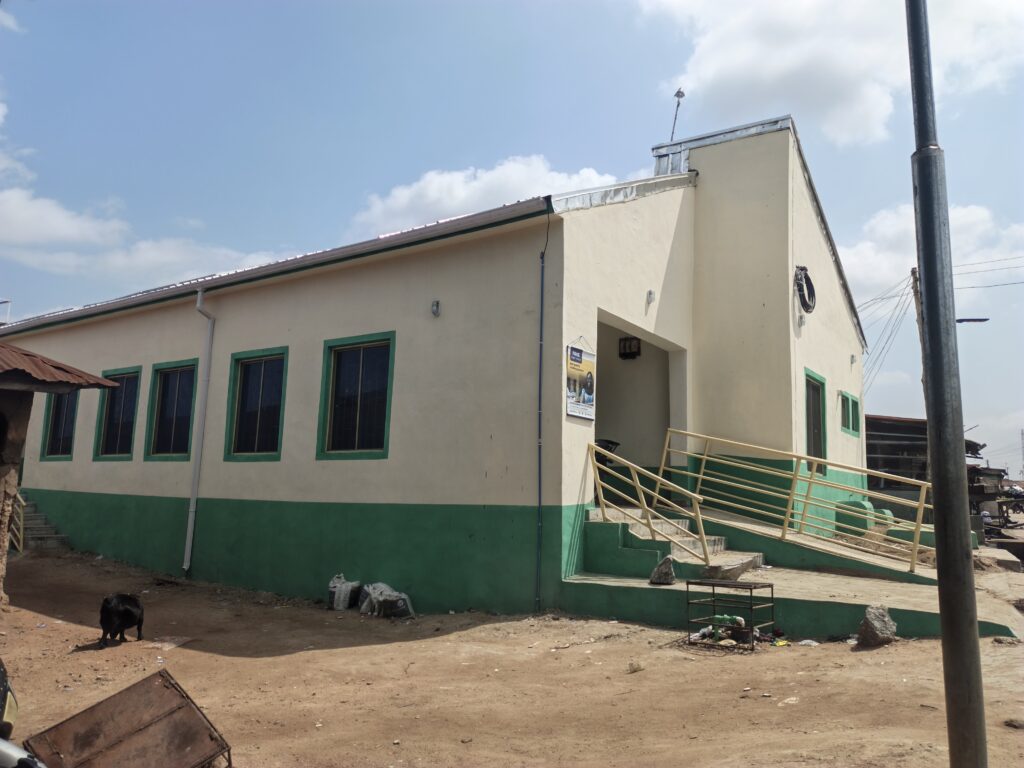
Location:PHC Ojagboro Isalekoko Community, Gambari Axis, Ilorin, Kwara State
Published by: Abdullateef Togun publisher Newscrescent Online
Residents of the Ojagboro Isalekoko community within the Gambari axis of Ilorin, Kwara State, are facing a severe healthcare crisis. For nearly seven months, the community has been grappling with an unstable and severely inadequate healthcare delivery system.
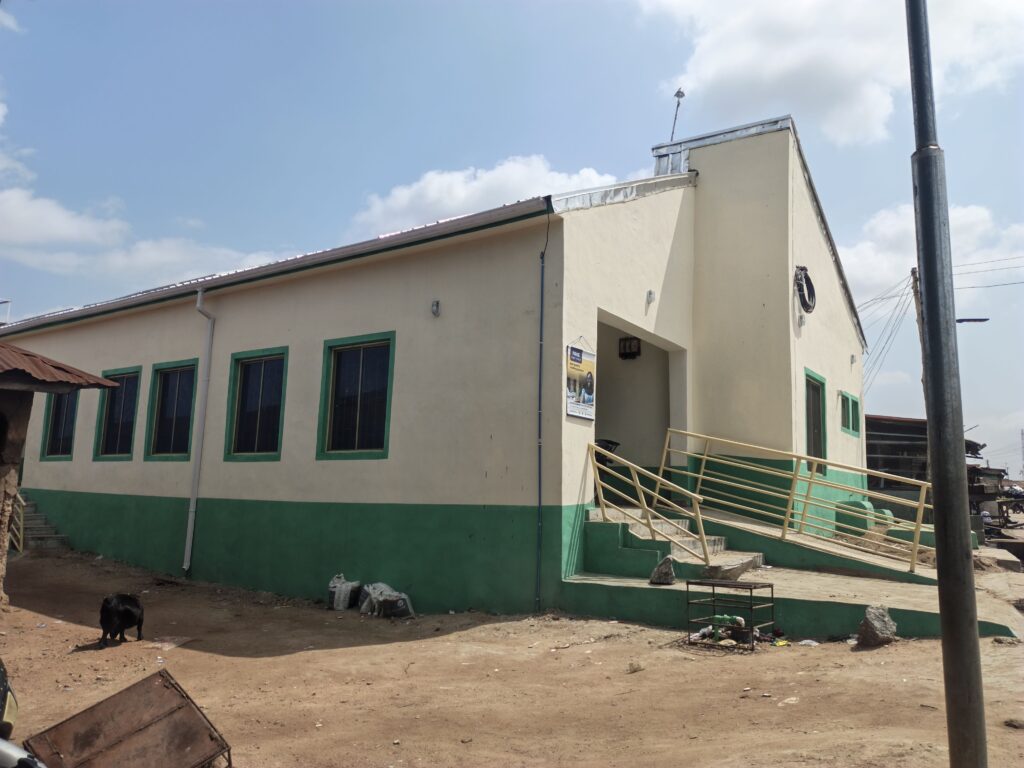
The disruption stems from the demolition and subsequent reconstruction of the community’s primary healthcare center, which began in early January. Although the physical building was completed and handed over to the appropriate authorities in June, the facility remains locked, empty, and non-operational due to the absence of medical equipment, furniture, and essential supplies.
Today, healthcare workers operate out of a cramped, unconducive rented mini-shop beside the construction site. This temporary arrangement has crippled nighttime medical services, leaving vulnerable residents helpless during midnight medical emergencies and placing an unbearable burden on families throughout the neighborhood.
The Genesis of the Crisis: Reconstruction and Delays
The journey toward this community hardship began in January, when the old structure of the Ojagboro Primary Healthcare Center was completely demolished to pave the way for a modern, upgraded facility.
According to reports gathered by Newscrescent Online, construction on the new structure officially commenced in early February. Speaking with our correspondents at the site, the lead project engineer initially projected a four-month completion window, assuring community leaders that the facility would be fully ready by late May.
However, unforeseen logistical delays and bureaucratic bottlenecks pushed the timeline back. Construction ultimately extended to five months, with the contractor finally concluding work in early June. Upon completion, the contractor formally handed over the keys and the physical property to the supervising authorities, noting that the procurement and installation of interior medical facilities, equipment, and furniture fell under the direct purview of the agency that awarded the contract.
Regrettably, two months after the physical handover—and nearly seven months since healthcare services were first displaced—the newly minted building remains empty. The vital equipment and supplies required to reopen the clinic have yet to be delivered, leaving the community stranded.
Inside the Struggle: Challenges Faced by Staff and Patients
During the demolition and construction phase, healthcare workers were relocated to a makeshift solution: a small, rented mini-shop situated just adjacent to the original clinic premises. The community leadership arranged this space to ensure that basic outpatient treatments could continue during the transition period.
However, this temporary space has proven entirely inadequate for a community health center serving a densely populated neighborhood. The challenges at the temporary shop include:
Severe Overcrowding: The shop’s limited square footage creates daily gridlock, with patients crammed into tight quarters, increasing the risk of cross-infection and compromising patient privacy.
Unconducive Environment: The physical layout lacks proper ventilation, cooling, and adequate medical partitioning, making it exhausting for medical personnel and uncomfortable for sick patients.
Total Absence of Night Shifts: Perhaps the most dangerous limitation is the complete suspension of night duties. The mini-shop environment is neither secure nor spacious enough to sustain overnight admissions or 24-hour operations, leaving the community entirely unprotected after dark.
Voices from the Community: Living in Fear of Midnight Emergencies
The human cost of this prolonged administrative delay is profound. Day in and day out, residents are forced to navigate a substandard healthcare framework that threatens their well-being.
An elderly resident of Ojagboro, visibly distressed, spoke with our reporters about the daily anxieties plaguing his family and neighbors:
“Our families are suffering terribly from this situation. In the past, whenever we had sudden midnight medical emergencies, we relied entirely on this primary healthcare center—which we affectionately call ‘Kore Abili’ [meaning emergency first aid treatment]. Now, with no night duty and no functional facility, we find ourselves stranded. Moving sick patients through the dark of midnight to distant hospitals outside our neighborhood is a terrifying ordeal that puts lives at extreme risk.”
The elderly community leader echoed the sentiments of hundreds of households, issuing a passionate plea to the state government and relevant stakeholders to expedite action and restore normal healthcare services to the area.
The Stance of Healthcare Workers
Seeking clarity on the administrative gridlock holding up the clinic’s reopening, our reporters engaged the resident medical staff currently stationed at the temporary shop.
When asked about the timeline for the delivery of the clinic’s equipment, the frontline health workers expressed profound frustration and a lack of definitive information. They noted that they have received no clear updates from the supervising authorities regarding when the necessary materials will arrive to kickstart operations in the newly constructed building. Despite these discouraging conditions, the staff continues to display remarkable resilience, doing their absolute best to treat outpatients within the confines of the cramped mini-shop.
Urgent Appeal to Government and Stakeholders
The current state of healthcare delivery in Ojagboro Isalekoko is untenable. A modern building standing locked and empty while residents suffer from preventable health complications represents an unacceptable delay in public service delivery.
Access to primary healthcare is a fundamental right, and the current reliance on an overcrowded, non-functional mini-shop is a ticking time bomb for public health in the region.
We, therefore, use this medium to urgently call upon the following key figures and relevant government agencies for swift, prompt intervention.
— His Excellency, Mallam Abdulrahman Abdulrasaq: The Executive Governor of Kwara State, known for his commitment to infrastructural development and healthcare transformation, is implored to direct the State Ministry of Health or the Primary Health Care Development Agency to immediately equip and commission the Ojagboro clinic.
— Hon. Garba Lukman Agbelere: The Chairman of Ilorin East Local Government Area is urged to use his office to bridge the communication gap between the community and the state authorities, ensuring the rapid delivery of medical inventories to the site.
— Relevant State and Local Health Agencies: Procurement and primary healthcare boards are called upon to treat this report as a state of emergency, cutting through red tape to bring relief to the people of Ojagboro before preventable tragedies occur.
The time for delay has long passed. The residents of Ojagboro Isalekoko deserve a fully functional, well-equipped primary healthcare center now.