North Central Coordinator, Amb, Yahaya Seriki led City Boy Movement Stands with Kwara Following Kaiama Tragedy
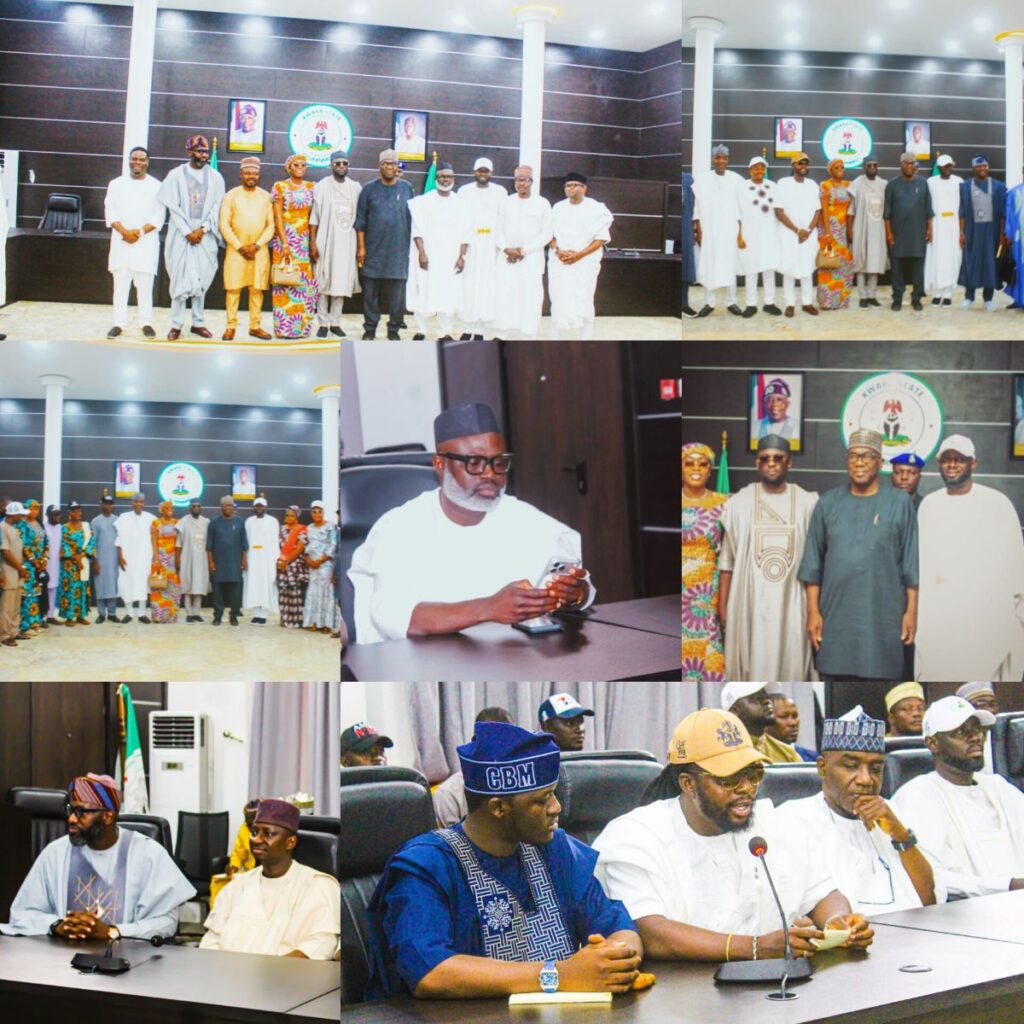
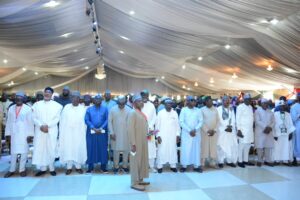
In a powerful display of empathy and political synergy, a high-powered delegation from the City Boy Movement recently converged in Ilorin, the Kwara State capital. Led by the North Central Zone Coordinator, Ambassador Yahaya Seriki Gambari, MFR, the visit was framed by the dark clouds of the recent “Woro Attack” in the Kaiama Local Government Area—a brutal incident that claimed the lives of over 100 villagers and sent shockwaves through the Nigerian North Central belt.
The delegation’s arrival at the Government House was more than a mere courtesy call; it was a strategic alignment of community leadership and state governance, aimed at addressing the dual challenges of mourning and long-term regional security.
Ambassador Yahaya Seriki’s Address
a figure synonymous with grassroots mobilization in the North Central, opened the session with a somber reflection on the lives lost. Representing the broader vision of the City Boy Movement and conveying the specific condolences of Barrister Seyi Tinubu, Seriki emphasized that the movement’s core philosophy extends beyond political advocacy into the realm of human welfare and national stability.
Seriki’s address was carefully balanced between mourning and commendation. He lauded Governor Mallam Abdulrahman Abdulrasaq for his swift response to the insecurity plaguing Kwara South and Kwara North. By highlighting the Governor’s “resilience and responsiveness,” Seriki underscored a crucial point: while the attack was devastating, the state’s proactive stance has likely prevented further escalations.
Ambassador Yahaya seriki further utilized the platform to introduce the movement’s leadership hierarchy to the Governor, signaling a desire for a formalized relationship where the movement’s vast network can serve as a bridge between the populace and the executive.
Following the Ambassador’s opening, Francis Tosin Shoga, the Director General of the City Boy Movement, delved into the operational aspects of the group’s visit. Shoga addressed the rising tide of insecurity with a sense of urgency, noting that “security is the bedrock upon which development is built.”
The Director General emphasized that the City Boy Movement is ready to put its “boots on the ground” to support the Governor’s initiatives. This collaborative spirit suggests a shift in how political movements operate in Nigeria—moving away from election-cycle activity toward year-round community development and security advocacy.
Governor Abdulrasaq, visibly moved by the gesture, described the City Boy Movement’s visit as unprecedented. In the wake of the Kaiama attack, many groups had sent letters, but few had sent a high-level delegation to sit across the table and discuss solutions.
He acknowledged that state resources alone cannot secure the vast forest regions and emphasized his ongoing dialogue with the Presidency and the military high command.
He further thanked the movement for their empathy, noting that such visits boost the morale of the affected communities and the security personnel stationed there.
He expressed a willingness to review the proposals brought forward by DG Shoga, recognizing that “governance is a collective responsibility.”
Closing the session, Hon. Lawrence Garki provided a bridge between the local visit and the national leadership of the movement. He commended the Governor’s “unwavering support” for the people and assured the Kwara State leadership that the findings and the Governor’s requests would be relayed directly to Barrister Seyi Tinubu.
Garki’s closing remarks reinforced the idea that this visit was the beginning of a sustained partnership. By ensuring that the message reaches the highest echelons of the movement’s national leadership, Garki solidified the commitment to Kwara’s recovery and long-term safety.
The visit of the City Boy Movement to Kwara State serves as a blueprint for how civic organizations can interact with state governments during times of crisis. It wasn’t just about politics; it was about presence